Emotionally Focused Therapy (EFT) in Utah
Understand the patterns that keep you feeling disconnected and explore a different way to reach each other. Ask about EFT with our Utah therapists.

Understand the patterns that keep you feeling disconnected and explore a different way to reach each other. Ask about EFT with our Utah therapists.
You may care deeply about each other and still end up in the same argument. One person presses for an answer, the other pulls away, and both leave feeling alone. Emotionally Focused Therapy (EFT) offers a way to understand those moments and work toward a more secure connection.
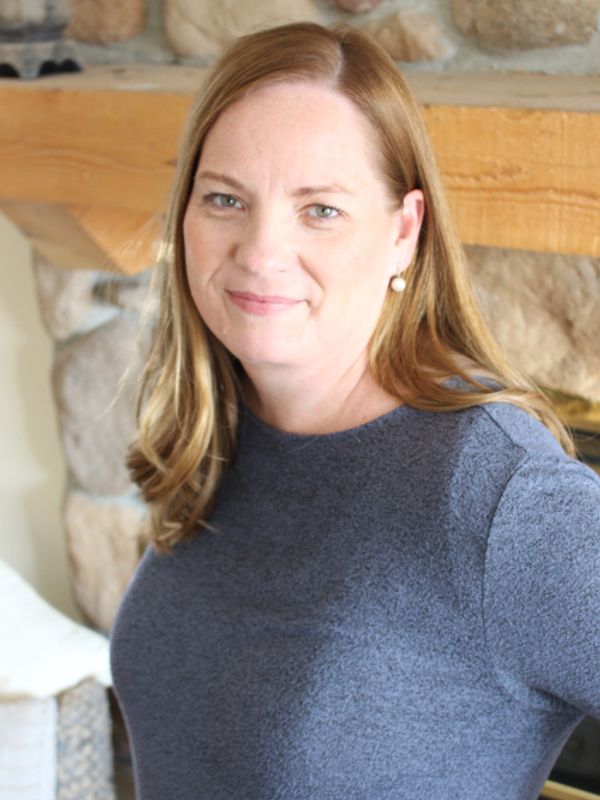
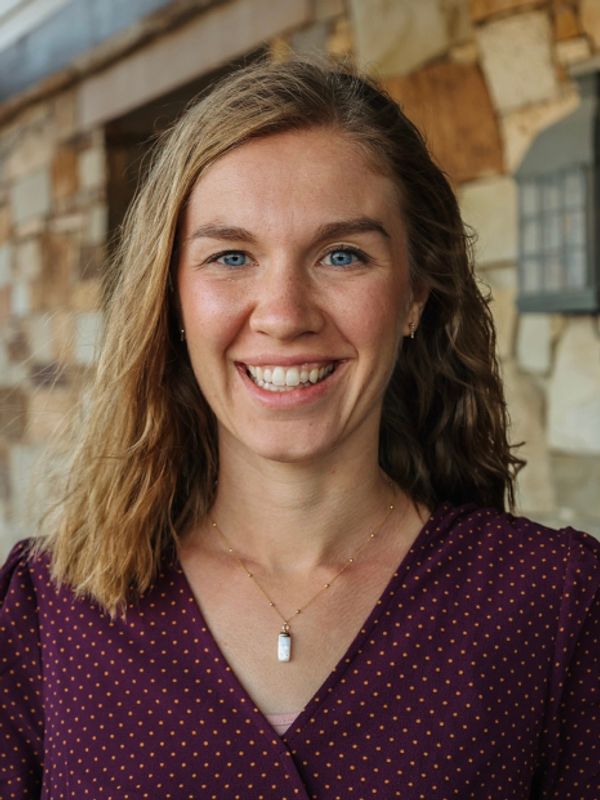
At Alliance Counseling, you can ask about EFT with Mary Bitner, Jeremy Bitner, or Megan Pond-Maxwell. We'll help you explore therapist fit and appointment options in Sandy, South Jordan, or online in Utah, depending on availability and whether the format fits your needs.
Emotionally Focused Therapy is an attachment-based approach that explores how emotions and relationship patterns shape the way people connect. In couples work, EFT pays attention to what happens between partners when closeness feels uncertain: the reactions you can see and the feelings that may be harder to put into words.
The International Centre for Excellence in Emotionally Focused Therapy describes EFT approaches for couples, individuals, and families. This page focuses on couples work. If you're seeking individual or family support, ask which approach fits your situation rather than assuming every therapist offers every form of EFT.
You don't need a perfect explanation of your relationship before asking for help. EFT may be worth discussing if:
These concerns don't determine whether EFT is right for you. A conversation with a therapist can help clarify your goals and whether couples work is appropriate. Our broader couples therapy service is another place to start if you're still comparing approaches.
Early sessions give you a chance to explain what brings you in, what each person hopes will change, and any concerns about participating. Ask your therapist how assessment, confidentiality, and any individual conversations within couples treatment are handled.
EFT generally works through three areas: understanding and calming a recurring conflict pattern, developing different ways of expressing and responding to emotional needs, and practicing those changes in everyday life. The Society of Clinical Psychology's overview explains this process and links to research on couples treatment.
In a session, your therapist might slow down a familiar exchange and help each person describe what was happening for them. With support, a conversation that usually gets stuck can become an opportunity to say something more clearly and hear it differently. The pace should reflect your readiness and safety, not pressure to disclose more than you can manage.
You can ask how progress will be evaluated. Useful goals might include noticing an argument sooner, recovering after a difficult conversation, or feeling more able to ask for support. Therapy can't guarantee a particular outcome or that a relationship will continue.
You can ask about working with these Alliance therapists for EFT:
Your fit with the person matters as well as the approach. When you contact us, ask about each therapist's experience with concerns like yours, how they use EFT, and their current schedule. You can also ask about their EFT training and what they'd recommend for your situation.
Couples counseling may be unsafe when a relationship involves abuse, coercive control, threats, or fear of retaliation. Those situations shouldn't be treated as a shared communication problem. You don't need to discuss safety concerns in front of a partner who may use that information against you.
The National Domestic Violence Hotline advises against couples counseling with an abusive partner. If this applies to you, seek confidential support from a domestic violence advocate or an individual provider. If it's safe to do so, call 800-799-7233 or text START to 88788. Call 911 for immediate danger.
Alliance Counseling has offices in Sandy and South Jordan. Ask which location and appointment format are available with the therapist you're considering.
If you're interested in telehealth, ask whether online couples sessions are clinically appropriate and how to arrange privacy for everyone participating. Confirm where each partner needs to be located during appointments.
Before booking, ask about session fees, length, cancellation policies, and insurance. Our insurance information can help you start that conversation, but it doesn't guarantee that your plan covers couples therapy or a particular appointment.
On this page, EFT means Emotionally Focused Therapy, an attachment-based psychotherapy approach. It doesn't refer to Emotional Freedom Techniques, which is also sometimes called EFT or tapping. Let the office know which approach you're looking for.
Marriage isn't a requirement for exploring couples counseling. Tell us about your relationship and what you're hoping to work on so we can discuss an appropriate therapist and format.
You can still ask about individual therapy for yourself. Individual support can give you space to discuss your own needs and decisions. It doesn't stand in for jointly participating in couples therapy, and you don't need to pressure a partner to attend.
The number and frequency of sessions depend on your goals, history, safety, and progress. Ask your therapist to explain the proposed plan and when you'll review it together. There's no fixed session count that guarantees results.
EFT for couples has a research base that includes clinical trials and reviews of treatment for relationship distress. That evidence doesn't tell us what will happen for any one couple. Ask how the approach fits your concerns and what alternatives may also be useful.
You can begin with a simple question: “We're interested in Emotionally Focused Therapy. Can you help us explore working with Mary, Jeremy, or Megan?”
Contact Alliance Counseling or call 801-792-1150 to ask about therapist fit, current availability, and the next step.
Swipe or scroll to explore. Use the arrow keys when the gallery is focused.
We'll discuss your needs and goals in a safe, confidential environment to understand how we can best support you.
Together, we'll create a customized treatment approach tailored specifically to your unique situation and objectives.
Regular sessions and continuous care to guide you through your journey toward lasting positive change.
Our compassionate therapists are ready to walk alongside you. Take the first step toward a healthier, happier you.
Confidential • No Obligation • Insurance Accepted
Ready to take the first step? Fill out the form below to schedule a consultation or ask any questions. We're here to help you find the support you need.